




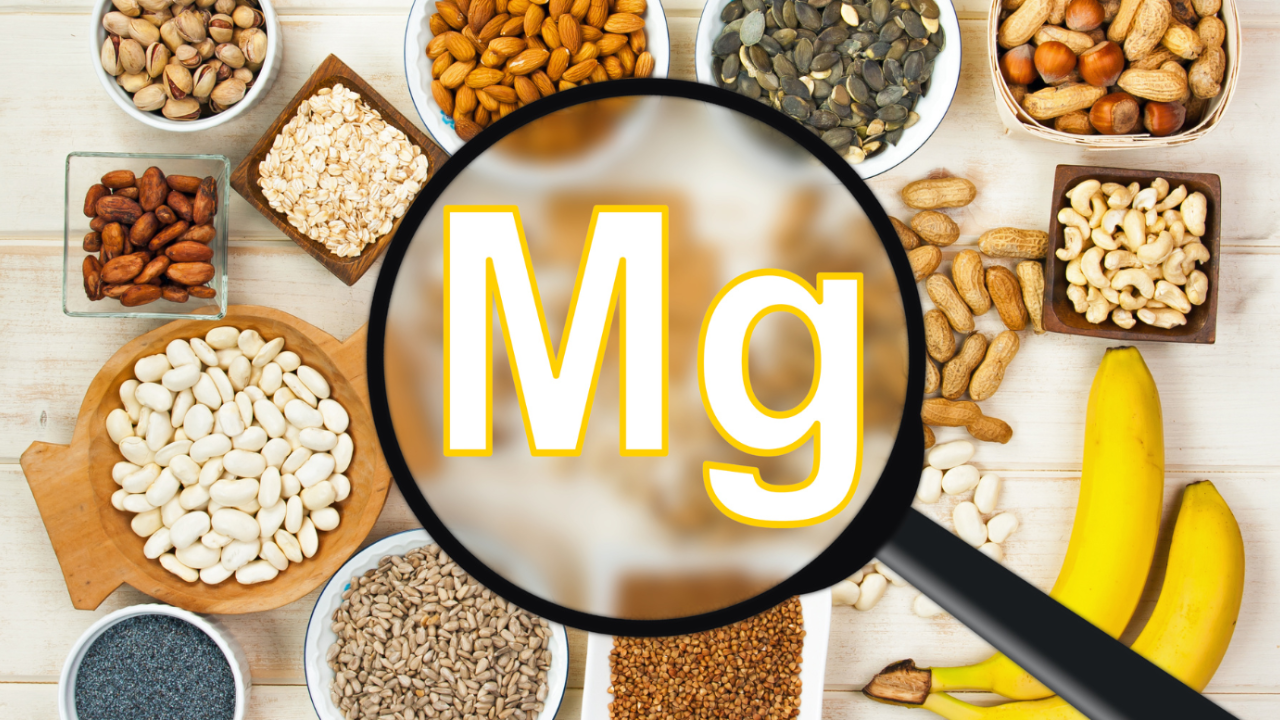
Magnesium is an essential mineral for the body and brain. When it's lacking, signs appear that you shouldn't ignore. Recognizing these symptoms can help you act in time and prevent discomforts or more serious problems.
7 Main Signs of Magnesium Deficiency
1. Muscle Spasms
Magnesium is vital for muscle relaxation. Its deficiency causes spasms, cramps, twitches, or even eyelid tremors. In women, it can intensify menstrual cramps, especially if sugar intake is high.
2. Restless Legs Sensation
If you feel a constant need to move your legs, this may be linked to overactivity of NMDA receptors, which magnesium helps to calm. This symptom alone, however, can have other causes.
3. Irritability
Magnesium deficiency affects stress management, attention, and mental performance. You may feel more nervous, agitated, and even depressed in severe cases.
4. Cardiac Arrhythmias
Magnesium regulates heart rhythm. Its deficiency increases the risk of arrhythmias, especially in abstinent alcoholics, people with prolonged diarrhea, or inflammatory bowel diseases.
5. Fatigue
Tiredness and pain can be associated with a lack of magnesium. If accompanied by spasms, restlessness, or intestinal problems, a supplement can be helpful and safe.
6. Difficulty Sleeping
Magnesium plays a fundamental role in regulating the nervous system and producing GABA, a neurotransmitter that promotes relaxation. Its deficiency can make it difficult to fall asleep, cause frequent awakenings, and reduce sleep quality.
7. Constipation
Magnesium helps relax intestinal muscles and attract water to the intestinal lumen. Low levels can contribute to slow intestinal transit and harder stools, leading to constipation
Many people need more magnesium than others due to genetics, lifestyle, or health. At O7, you will find the best magnesium supplements tailored to different profiles.


Leave a comment
All comments are moderated before being published.
This site is protected by hCaptcha and the hCaptcha Privacy Policy and Terms of Service apply.